If you look pale, feel tired most of the time, have a poor appetite, have trouble sleeping, or have decreased energy throughout the day, chances are you have anemia, which is the condition of having reduced blood cells in the body.
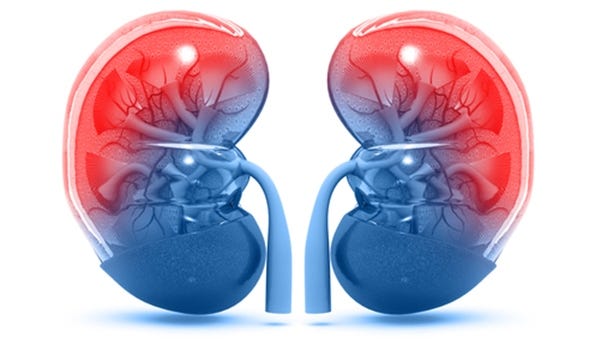
While anemia can be caused by numerous factors like HIV, cancers, systemic lupus erythematosus, too little iron, or blood loss from an accident or poor diet, a Chronic Kidney Disease can also be an underlying cause of this medical condition.
The kidneys make a hormone called erythropoietin (EPO) which tells your body to make red blood cells. If the kidneys are damaged they cannot make EPO causing the red blood cell count to drop. Most people with kidney diseases develop anemia and this is more common if the patient is at stage 3 or 4 (moderate or severe loss of kidney functions) and stage 5 (kidney failure).
If you have CKD and would like to know if you have developed anemia you need to take a blood test at least once a year to measure your hemoglobin level. Hemoglobin is part of the red blood cells that carry oxygen throughout the body.
The normal hemoglobin level for men is 13.5 and for women, it is 12.0. If your blood test result shows that you have a lower than normal range then it is an indicator of anemia. You need to talk to your doctor for a treatment plan.
If the anemia is caused by a CKD, the treatment will involve erythropoiesis-stimulating agents or ESAs to help the body create red blood cells. It is usually given through subcutaneous injection (under the skin) at the doctor’s office.
Your doctor will prescribe enough ESA to increase your hemoglobin to the normal range. Just how much you need and how often you get the treatment depends on the following: current hemoglobin level; your response to the ESA treatments; and the ESA type you’re receiving (short-acting ESA or long-lasting ESA).
To know if you are responding to the ESA treatments, your doctor will conduct a monthly hemoglobin test and increase or decrease the dose depending on the test results.
Another component needed for making red blood cells is iron, which is especially needed during ESA treatments. Iron may be taken orally as a pill or administered into the vein at the doctor’s office. During ESA treatments the body uses up iron faster which means you need extra iron.
There are two tests that will help you find out if you have enough iron: transferrin saturation (TSAT) and ferritin tests. Your TSAT should be at least 20% and your ferritin should be at least 100 ng/ml. If you are receiving treatments for anemia with ESA be sure to get your iron tested on a monthly basis
Iron-rich foods, as well as those high in vitamin B content and folic acid, may be helpful to patients with anemia. A dietician can help you with a meal plan to ensure that your diet is on track.
Left untreated, anemia can lead to serious complications like left ventricular hypertrophy (LVH), a heart disease. Many people with CKD develop LVH long before reaching stage 5 of kidney disease and sadly die from it. This is why early detection of anemia and its treatment is very important for patients diagnosed with kidney diseases.
CAUTION: Now I need you to pay very close attention to this
Chronic kidney disease USED to be a life-sentence…not any more
One thing I always believed about chronic kidney disease was that it’s a life sentence. It gets worse over time until you end up on a kidney dialysis machine… while you hope and pray for a suitable kidney donor.
At least, that used to be the way it was. It’s not anymore. Scientists finally understand the underlying causes of CKD. And they’ve designed a simple but proven cure for it.
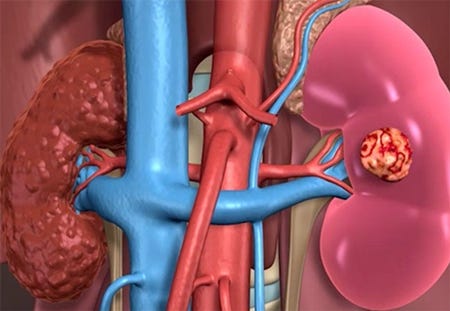
Better still, it’s all-natural. Get it at your local supermarket. If you want to be rid of that chronic kidney disease once and for all then here is how thousands of others have already done it. Click here…